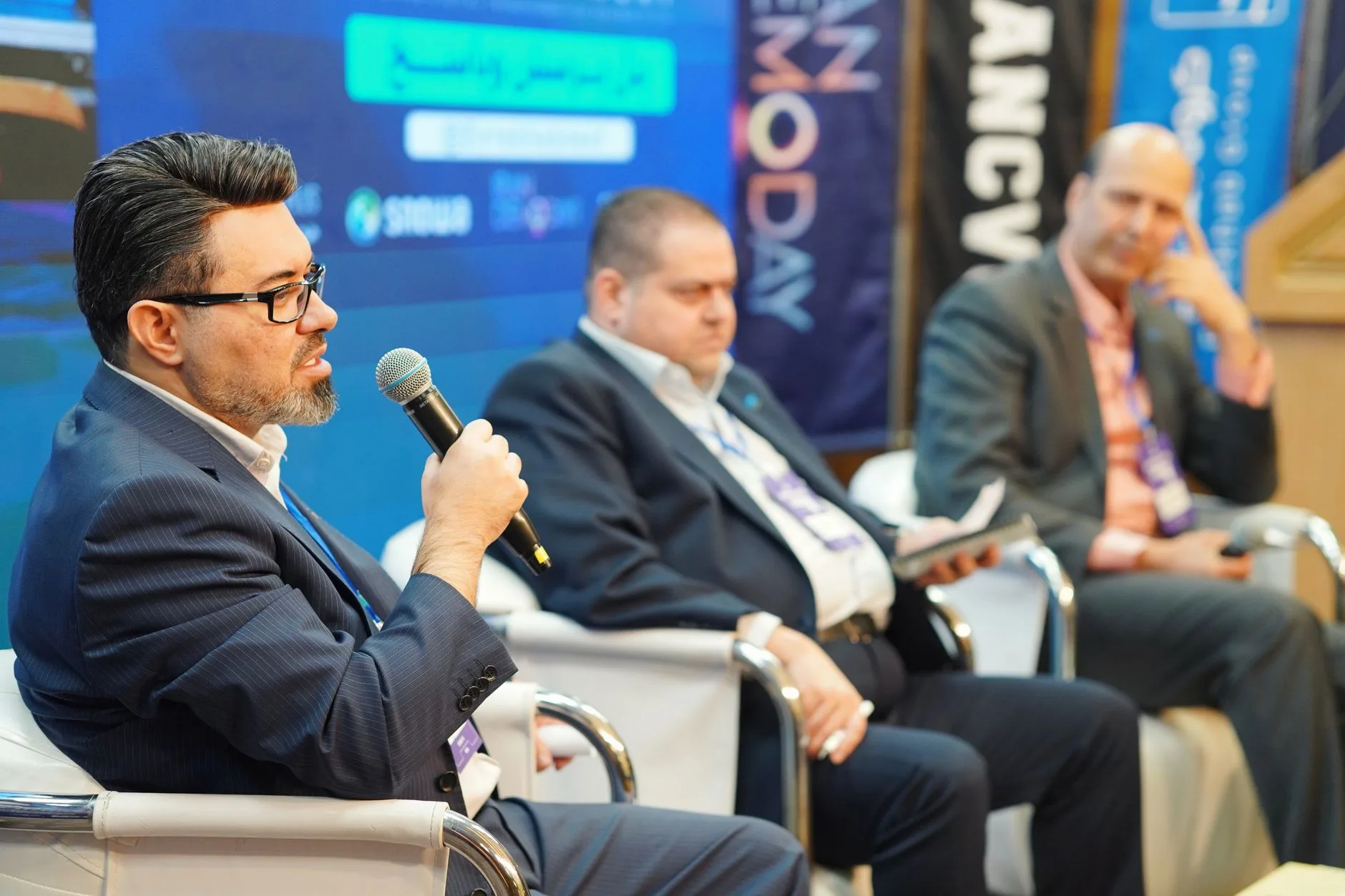
CEMA Summit 2026 ran in Toronto from 9 to 11 August and drew more than 850 corporate event marketers, strategists and industry partners from 19 countries. PCMA, which owns CEMA, reports the meeting as the largest attendance in the Summit’s history, with 383 first-time participants and 145 attendees from Canada.
The programme carried more than 40 practitioner-led education sessions and Main Stage conversations on leadership, artificial intelligence, audience engagement, measurement and the role of the event strategist. Organisers built the edition on three pillars: impact, influence and intention.
A First for Toronto
CEMA’s own event page dates the Summit 9-11 August 2026 at the Sheraton Centre Toronto Hotel. PCMA files the edition as only the second in the organisation’s history held outside the United States, and the first hosted in Toronto.
Sherrif Karamat, president and chief executive officer of PCMA and CEMA, read the spread of countries as a measure of the community’s reach. “The strength of the CEMA community has never been measured solely by attendance. It’s measured by the willingness of corporate event marketers to share their successes, challenges, and lessons learned,” he said.
Leadership Takes the Centre
Ebony Beckwith opened the Summit. An executive coach and founder of Framework, she spent more than a decade at Salesforce and served as chief business officer and chief of staff to Marc Benioff. She asked attendees to build a personal board of directors: people who challenge them, open doors and help them stay grounded. “Managers care, but they cannot fully understand the depth of your contribution unless you help them see it,” she said.
A Main Stage panel moderated by Brian Mason, vice president of strategy and operations at CEMA, worked through running teams and events across countries, cultures and continents. The panel included Deborah Caldwell, senior vice president and Asia Pacific head of global events at Bank of America, who sits on the PCMA Global Board and is a trustee of the PCMA Foundation. Dan Preiss, vice president of global experiential events marketing and sponsorships at Dell Technologies, and Sarah Reed, an event leader with 16 years of experience, most recently at Procore and Zendesk, completed the panel.
Caldwell told the room that “diversity doesn’t automatically produce strength”, and that leaders have to invest in shared foundations before they can build resilience. Preiss pressed the same point on decision-making across time zones. “You can’t afford ambiguity,” he said. “People need to know who owns what, how decisions get made, and what success looks like.”
Case Studies Include the Plans That Failed
Practitioner-led programming included a case study from ServiceNow Knowledge 2026, held 5-7 May in Las Vegas. ServiceNow puts attendance above 20,000 on its own event page. Kelly Simon, senior director of strategic events; Suzy Matus, senior director of brand and event experiences; and Taylor Czech, director of Knowledge, walked the room through plans that looked strong on paper and did not play out onsite, and described how the team recovered.
The panel’s operating advice was a single strategic throughline. When teams understand the core strategy from the outset, the panel said, staying on track and pivoting when needed get easier, and every creative decision can be traced to the message the event is meant to carry.
AI Shifts the Premium to Judgment
The closing keynote came from Omar Johnson, founder and chief executive of Opus Intelligence and former chief marketing officer at Beats by Dre. Johnson said artificial intelligence now shapes the industry, and he placed human judgment at the centre of the work. He framed the shift as the start of a judgment era, with discernment as a new class of business asset, and described event leaders as designers of community.
PCMA’s recap reports the same argument through the leadership sessions. As marketers gain access to more data and intelligence through advancing AI, sound judgment becomes the skill that carries the work.
Measurement Gets a Shared Model
CEMA and PCMA Insights used the Summit to preview an Event Marketing ROI Benchmarking Model and Toolkit. PCMA describes the product as built by corporate event marketers for corporate event marketers. Early findings were shared during a breakout session. PCMA says the full model will serve as an evergreen benchmark with annual updates, and it dates the initial findings to early 2027 with a supporting toolkit for members to follow.
Organisers also detailed expanded member benefits, including executive-focused programming and wider opportunities for global engagement. Brian Mason tied the expansion to the culture of the Summit. “As we continue to grow and bring more voices from around the world into the community, we want Summit to still feel like the place where event marketers can be open and honest, learn from each other, build real relationships, and have the conversations that move our industry forward,” he said.
What the Record Means for Group Business Readers
The published detail runs on three lines for the planners and suppliers who book and sell group business. PCMA reports more than 850 corporate event marketers, strategists and industry partners across 19 countries for three days, and 383 of them attended for the first time. The Main Stage subjects were leadership, artificial intelligence, audience engagement and measurement. The programme carried more than 40 practitioner-led sessions, and organisers previewed an ROI benchmarking model built inside the community that will use it.
The next CEMA Summit is scheduled for Denver, Colorado, on 25-27 July 2027.